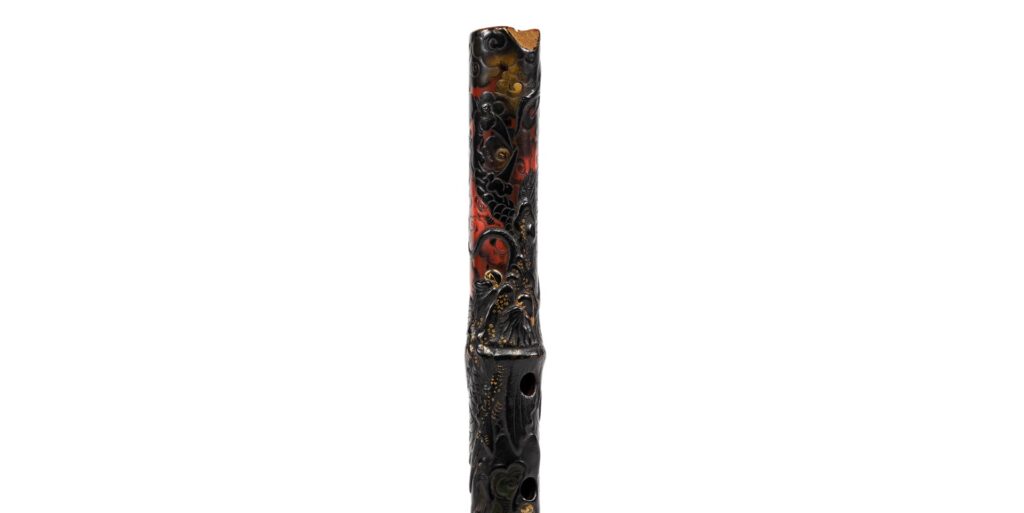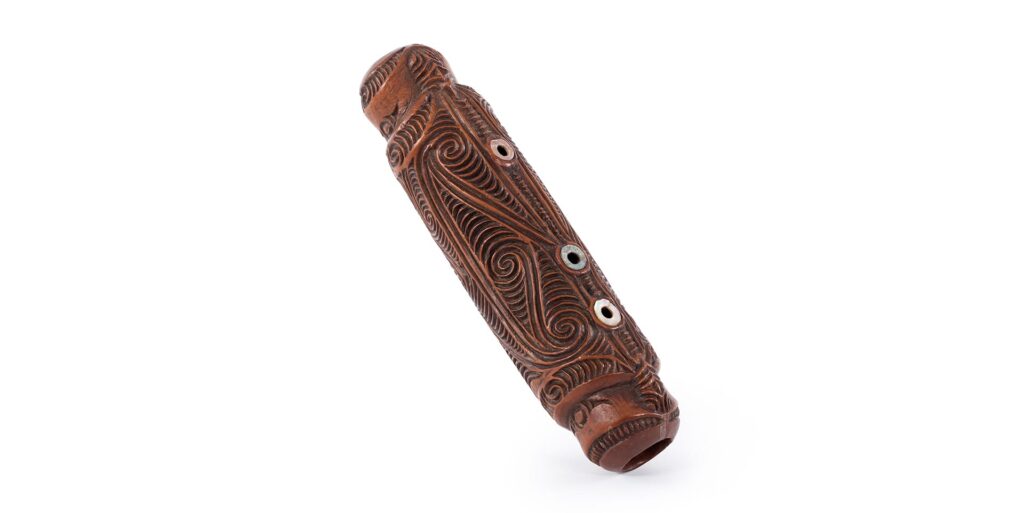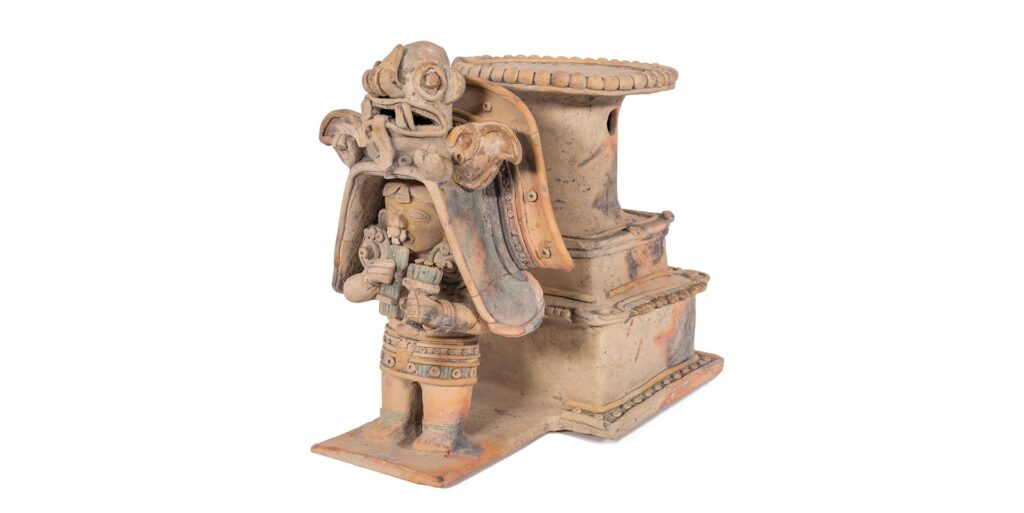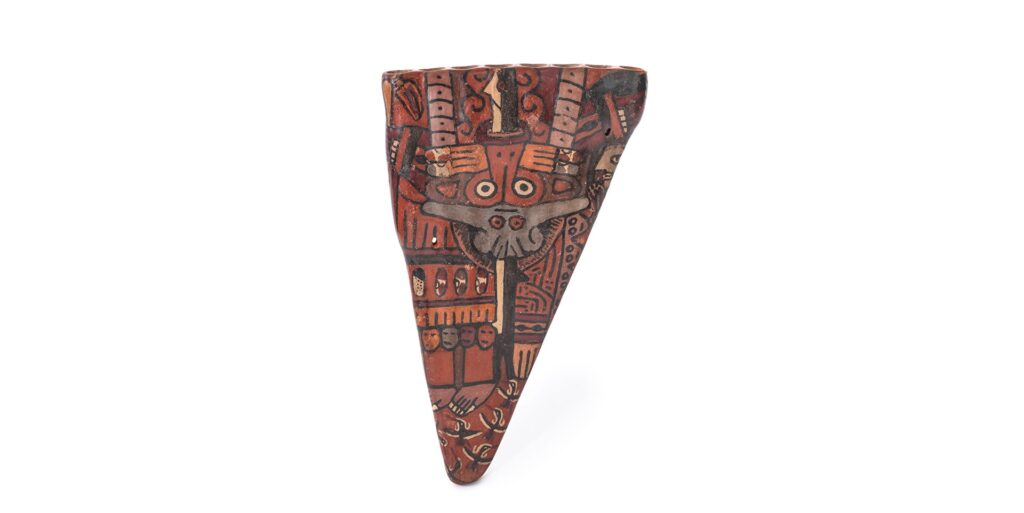



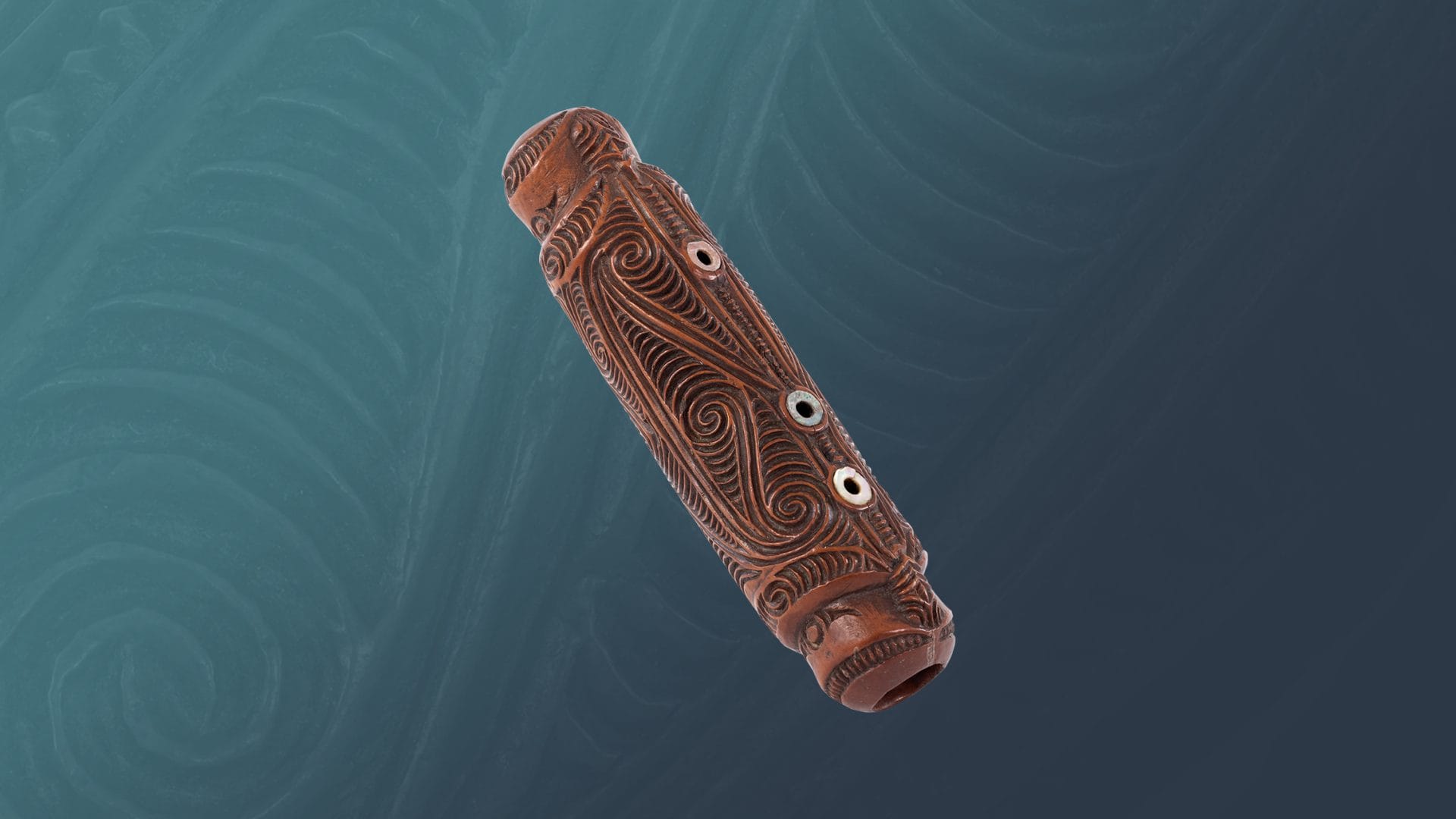
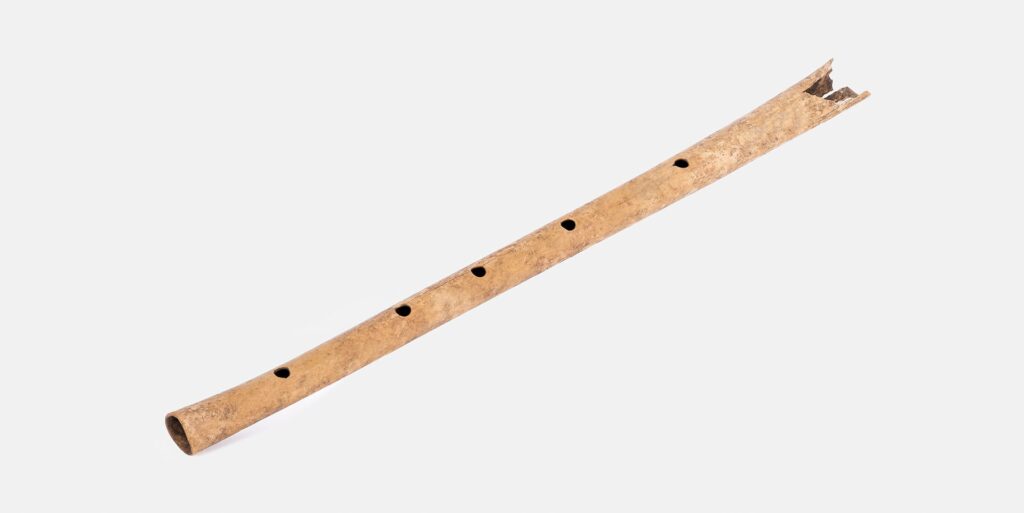
Creativity, Impact, and Influence See rare and historic flutes such as a bone flute made around 8,000 years ago by people of the Xinglongwa culture of China, an exquisite bamboo hitoyogiri made for 14th-century Japanese emperor Go-Daigo, and crystal flutes owned by Napoleon and Louis Bonaparte. The exhibition also features instruments owned and played by internationally renowned musicians such as American jazz flutist Herbie Mann, Native American flutist R. Carlos Nakai, and Northern Irish classical flutist Sir James Galway. Left: This flute, made of solid eighteen-karat gold and encrusted with diamonds, belonged to internationally renowned flutist Sir James Galway, known as “The Man with the Golden Flute.”
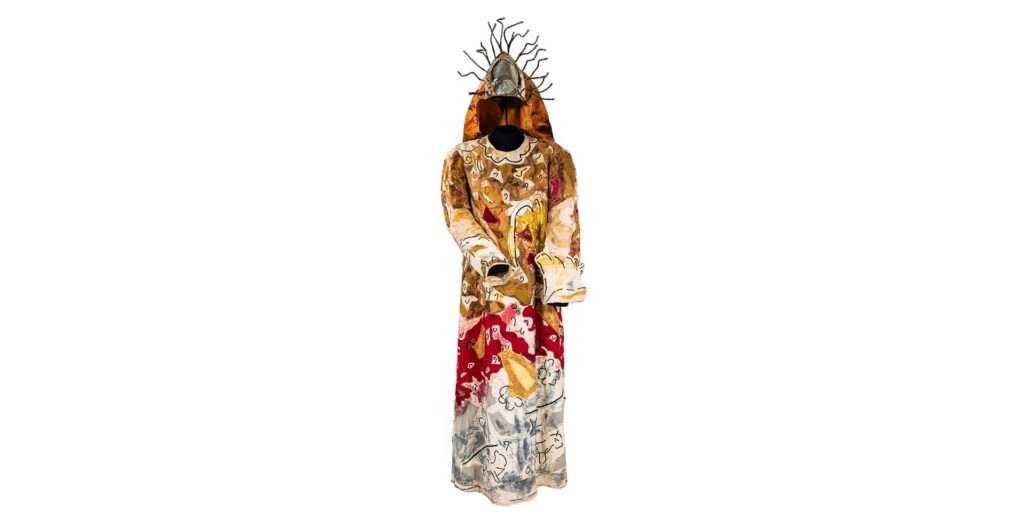
History, Artistry, and Allure Traditional clothing and ceremonial regalia—including a suit of samurai armor from Japan’s Edo period—contextualize how flutes have been used to shape cultural identities and convey status. Stunning costumes from stage productions of Mozart’s The Magic Flute, designed by Marc Chagall and Dame Zandra Rhodes, reveal how the flute has been used to transport audiences during fantastic performances. Exclusive video content, featuring experts and virtuosos such as Jasmine Choi, breathes life into the extraordinary stories of how these instruments were used throughout history and are still used today. Right: This suit of samurai armor and miyogiri from Japan’s Edo period share a gold chō-mon butterfly crest, suggesting that both were associated with a samurai family of Taira clan lineage.