


Presenting Sponsor:
The Magical Flute: Beauty, Enchantment, and Power
Explore more than 100 remarkable flutes from the dawn of music to the present day.
- Exhibition open now through September 13, 2026
Special exhibition tickets sold separately from general admission.
Exclusively at MIM
Creativity, Impact, and Influence
See rare and historic flutes such as a bone flute made around 8,000 years ago by people of the Xinglongwa culture of China, an exquisite bamboo hitoyogiri made for 14th-century Japanese emperor Go-Daigo, and crystal flutes owned by Napoleon and Louis Bonaparte. The exhibition also features instruments owned and played by internationally renowned musicians such as American jazz flutist Herbie Mann, Native American flutist R. Carlos Nakai, and Northern Irish classical flutist Sir James Galway.
Left: This flute, made of solid eighteen-karat gold and encrusted with diamonds, belonged to internationally renowned flutist Sir James Galway, known as “The Man with the Golden Flute.”
History, Artistry, and Allure
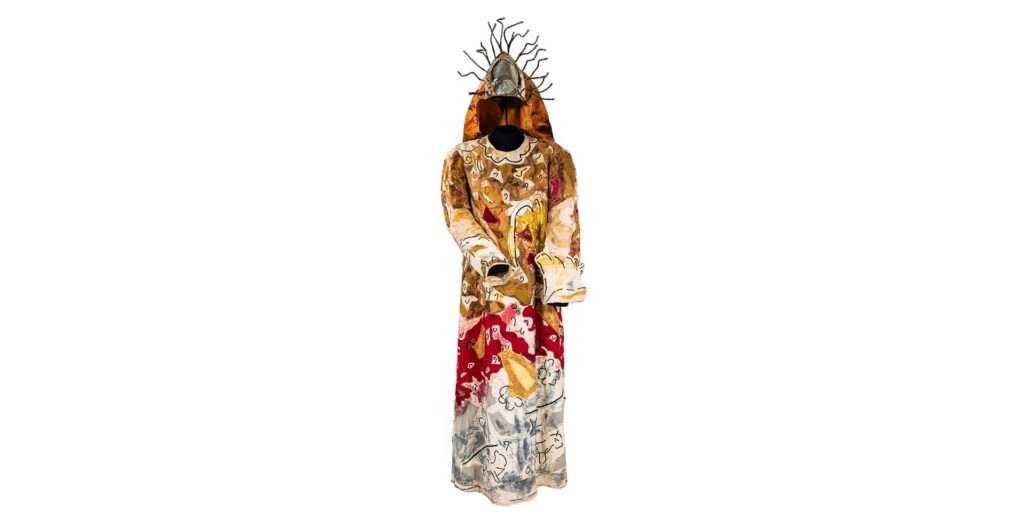
Traditional clothing and ceremonial regalia—including a suit of samurai armor from Japan’s Edo period—contextualize how flutes have been used to shape cultural identities and convey status. Stunning costumes from stage productions of Mozart’s The Magic Flute, designed by Marc Chagall and Dame Zandra Rhodes, reveal how the flute has been used to transport audiences during fantastic performances. Exclusive video content, featuring experts and virtuosos such as Jasmine Choi, breathes life into the extraordinary stories of how these instruments were used throughout history and are still used today.
Right: This suit of samurai armor and miyogiri from Japan’s Edo period share a gold chō-mon butterfly crest, suggesting that both were associated with a samurai family of Taira clan lineage.
Featured Pieces
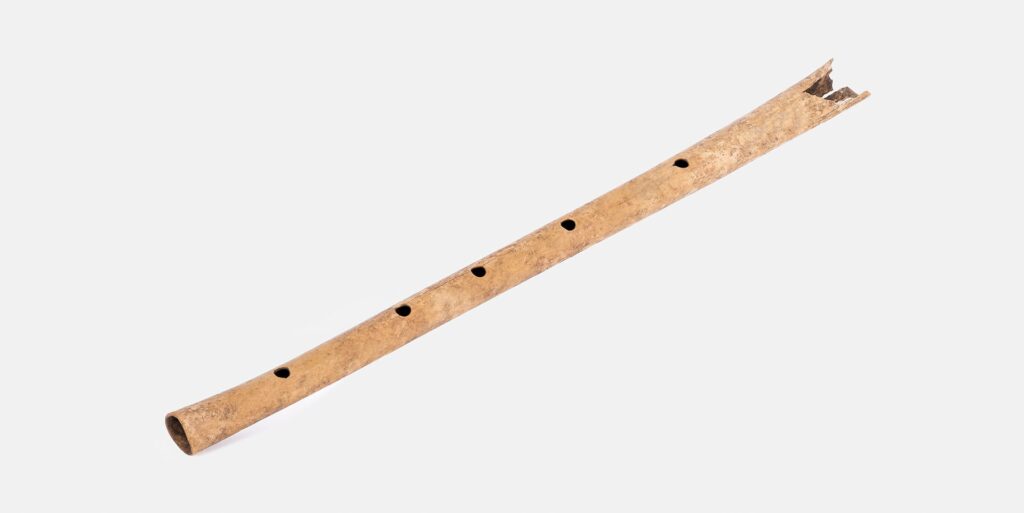
Ancient Chinese yue bone flute, c. 6300–5400 BCE
This flute from the Xinglongwa culture of ancient northeastern China was made approximately 8,000 years ago—suggesting that music was already part of human life at the dawn of civilization. Anonymous Loan
Sir James Galway’s gold flute, 2001
This flute, made of solid eighteen-karat gold and encrusted with diamonds, belonged to internationally renowned flutist Sir James Galway, known as “The Man with the Golden Flute.” MIM Collection Gift of the Robert J. Ulrich and Diane Sillik Fund
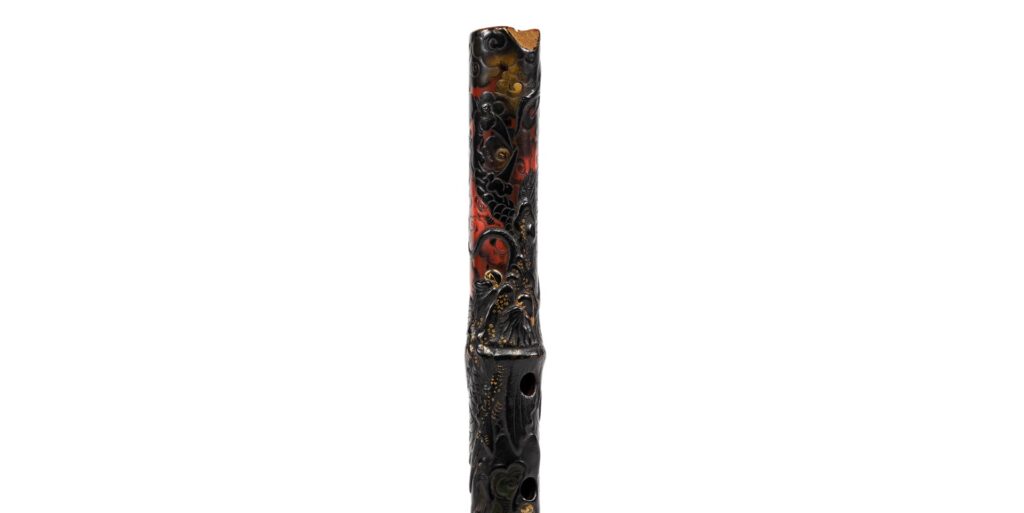
Japanese emperor Go-Daigo’s hitoyogiri, early 14th c.
This extraordinary flute is one of two hitoyogiri made for Japanese emperor Go-Daigo (1288–1339). Its body is richly decorated with seven layers of lacquer and features elaborate dragon and cloud motifs. Loan courtesy of the Takao Oikawa Family
Crystal flutes owned by Napoleon and Louis Bonaparte, 1813
The clear glass flute with elegant keys and silver trimmings was owned by Napoleon Bonaparte. The cobalt glass flute was owned by Napoleon’s brother, Louis Bonaparte. Loan courtesy of Mark Leone
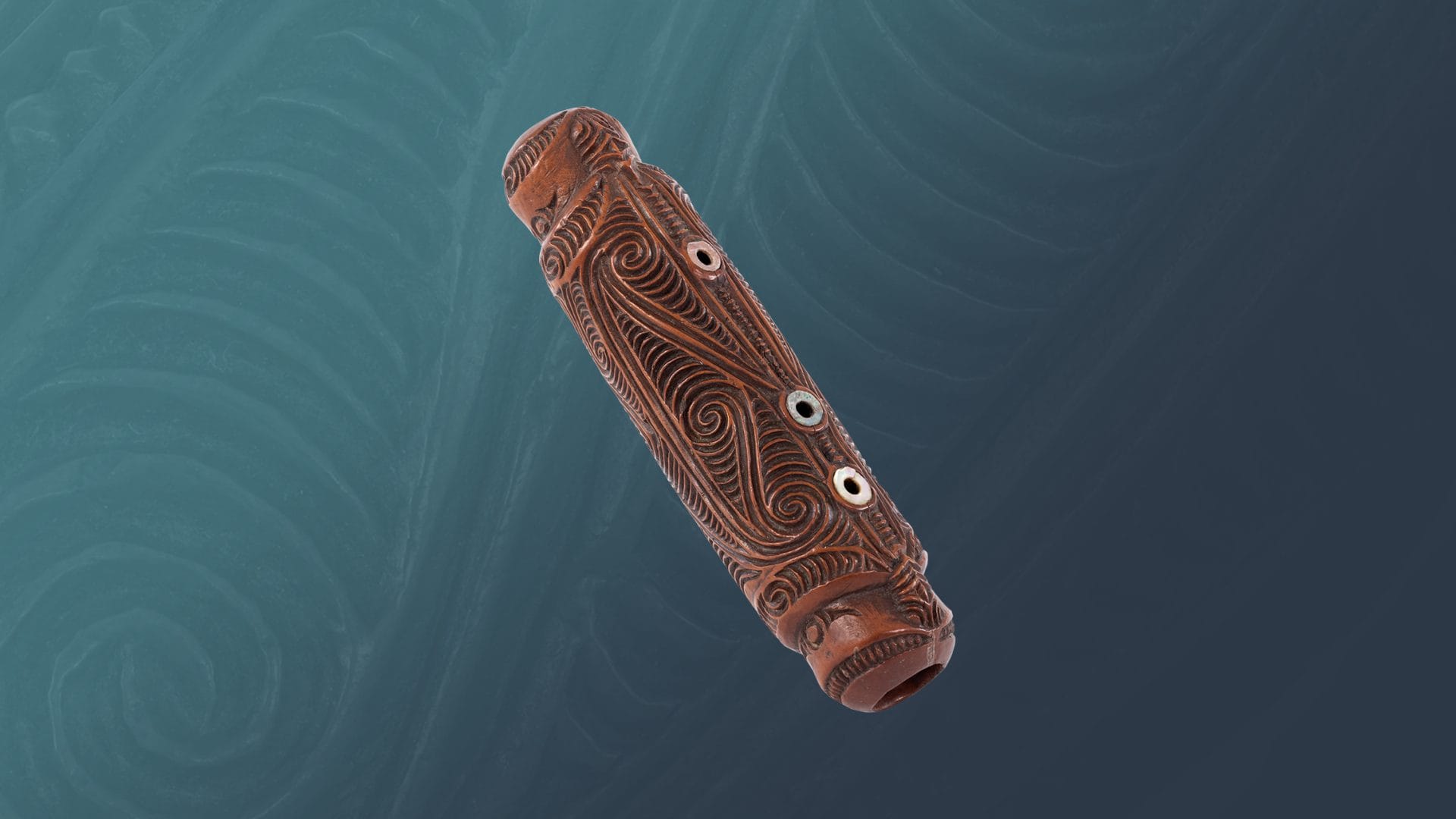
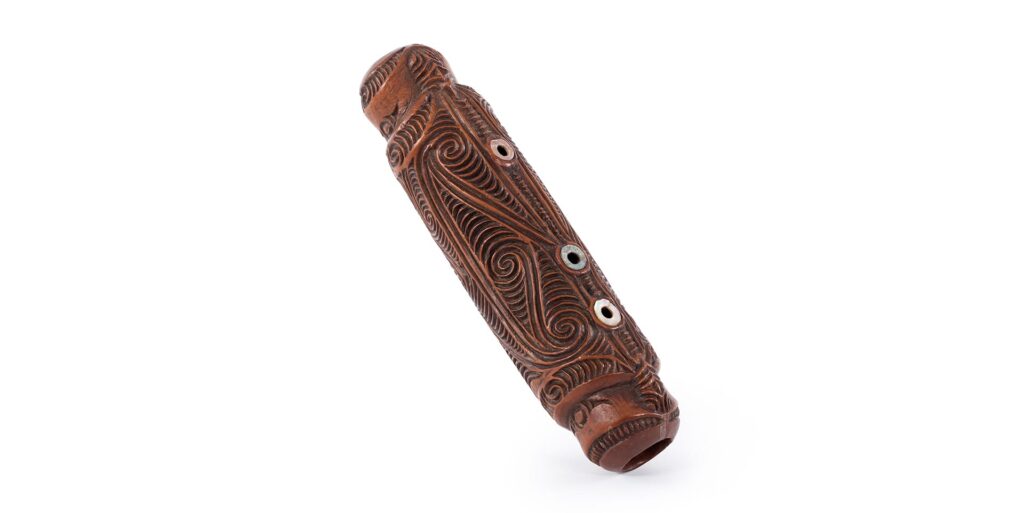
Māori kōauau, 1820–1840
The kōauau is a highly esteemed Māori instrument associated with Hineraukatauri, the Māori goddess of instruments. This one features finely carved raised reliefs. MIM Collection Gift of the Robert J. Ulrich and Diane Sillik Fund
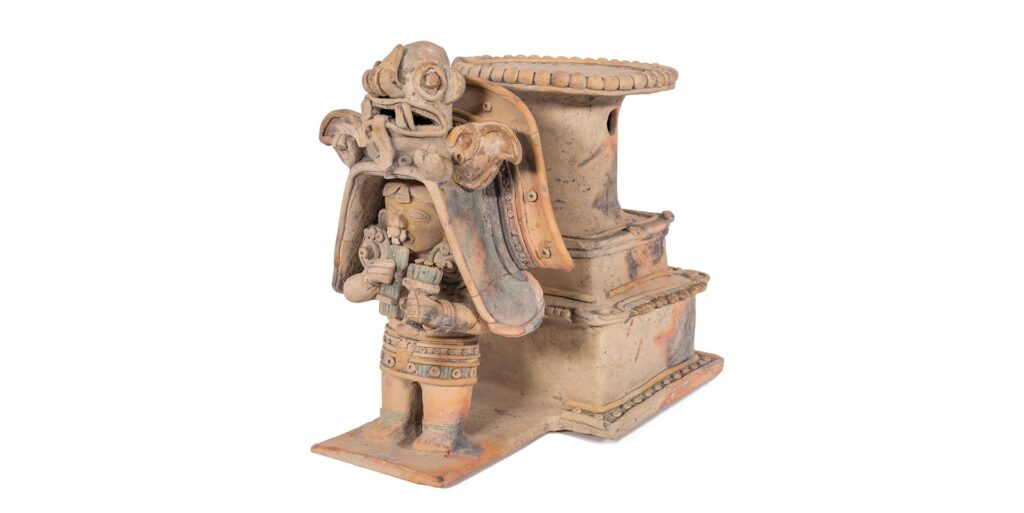
Jama-Coaque temple model with priest figurine, 500 BCE–500 CE
This rare pre-Columbian ceramic depicts a three-tiered temple and a priest playing a panpipe and wearing a bat headdress, symbols associated with ritual transport to otherworldly realms. MIM Collection Gift of the Robert J. Ulrich and Diane Sillik Fund
Samurai armor and miyogiri, Edo period
This suit of samurai armor and miyogiri from Japan’s Edo period share a gold chō-mon butterfly crest, suggesting that both were associated with a samurai family of Taira clan lineage. Armor: MIM Collection Gift of the Robert J. Ulrich and Diane Sillik Fund Miyogiri: MIM Collection Ex Takao Oikawa Collection Gift of the Robert J. Ulrich and Diane Sillik Fund
Ǹdoŋ belonging to a Bamileke chief, early 20th c.
Fully beaded items, such as these two large and elaborately horned flutes, are kept by chiefs of the Bamileke people of Cameroon, along with other insignia that indicate their rank. MIM Collection
Chorus costume from The Magic Flute, c. 1967
This costume is one of 121 commissioned from influential modernist painter Marc Chagall for the Metropolitan Opera’s inaugural season at its opera house at Lincoln Center. Loan courtesy of the Metropolitan Opera Archives
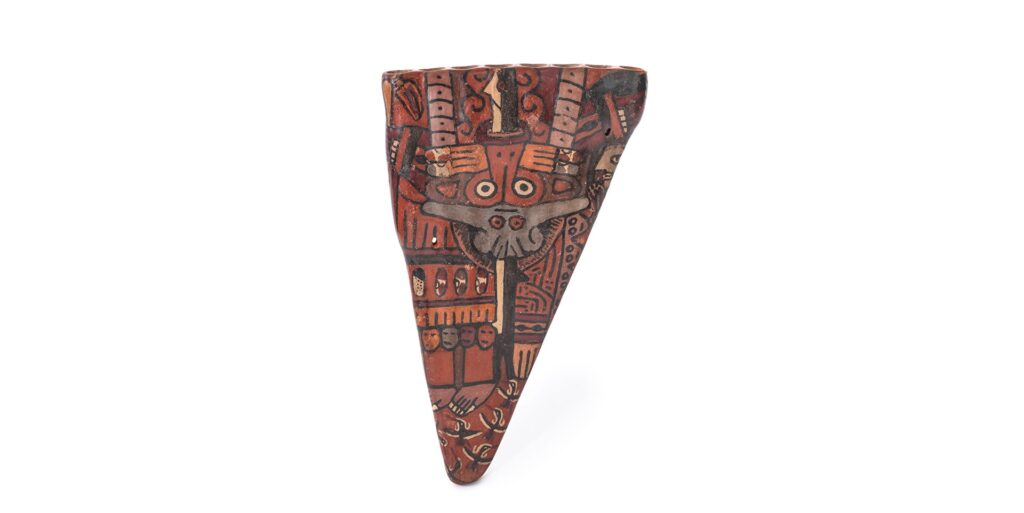
Nazca painted panpipe, 400–650
This rare painted ceramic Nazca panpipe illustrates the connection between panpipes and the supernatural through intersecting themes of power, death, fertility, and renewal. MIM Collection
A Masterpiece Reimagined
Step into the vibrant world of The Magic Flute through richly detailed costume designs, stage models, and rare instruments used in performances spanning centuries.
From Mozart to Modernity
See how visionary artists—including Maurice Sendak, Marc Chagall, and Julie Taymor—have reinterpreted this iconic opera for new generations.
A Global Cultural Legacy
Explore how The Magic Flute transcends cultures and languages, brought to life in more than 1,600 productions worldwide since its debut.
The Magical Flute: Beauty, Enchantment, and Power catalog is available for purchase at the Museum Store or online at theMIMstore.org.
Start Planning Your Visit
Thank You to Our Generous Donors
Presenting Sponsor
Sponsored by
John & Joan D’Addario Foundation, Mary Ann & John Mangels, and PNC Bank
Supported by
Christine Lindley, Hao and Michelle Wang Foundation, and Jan & David Wood
Additional Support by
Elizabeth Biaett & Gary Dickey, Babette & Richard Burns, and Michael & Susan Hooley